Mobile

iOS 26 Call Features: Say Goodbye to Spam Calls and Hold Music

If you’re tired of spam calls interrupting your day and endless hold music draining your patience, iOS 26 has arrived with two game-changing features that transform how you handle phone calls. Apple’s latest update includes Call Screening and Hold Assist—tools designed to give you back control over your phone.

Call Screening: Your Personal Gatekeeper Against Scammers

Call Screening is iOS 26’s answer to the relentless wave of telemarketing and scam calls that plague smartphone users. Instead of your phone ringing every time an unknown number dials in, this feature creates a protective barrier between you and potential nuisances.

How It Works

When someone who’s not in your contacts calls, a Siri-style voice automatically answers and asks them to provide their name and reason for calling. The information is transcribed to text and shown to you, allowing you to decide whether to accept, decline, or ask for more information. The beauty of this system? You never have to engage directly with the caller unless you choose to.

For telemarketers and scammers, this creates an immediate obstacle. Robocalls and spam operations typically can’t interact with the screening prompts effectively, making this feature particularly powerful at filtering out unwanted calls.

Setting It Up

Call Screening isn’t enabled by default—you need to turn it on yourself. Here’s how:

  1. Update your iPhone to iOS 26 (available for iPhone 11 and newer models)
  2. Open Settings, then go to Apps
  3. Tap Phone
  4. Scroll to “Screen Unknown Callers”

You’ll see three options: “Never” (call screening off), “Ask Reason for Calling” (screening enabled), or “Silence” (unknown calls go straight to voicemail with transcription).

Screen Unknown Callers

Real-World Impact

The results can be dramatic. After leaving this on for a few days, my number of spam calls has dropped dramatically. The feature has been described as bringing “pure bliss” to iPhone users weary of constant interruptions.

Hold Assist: Never Wait on Hold Again

While Call Screening protects you from unwanted incoming calls, Hold Assist tackles the other phone frustration we all face: being stuck on hold with customer service.

How It Works

Hold Assist automatically kicks in when you’re placed on hold during a call. Your iPhone detects the hold music and offers to wait for you. If you accept, your phone monitors the line in the background while you go about your day. When a real human picks up, you receive a notification alerting you to return to the call.

Unlike Call Screening, Hold Assist requires no setup—it works automatically from the moment you install iOS 26, and it’s available on all devices that support the update, not just Apple Intelligence-enabled phones.

The Convenience Factor

This feature is especially valuable when dealing with airlines, insurance companies, or tech support lines where wait times can stretch into hours. Instead of sitting by your phone listening to elevator music, you can respond to emails, make dinner, or do literally anything else productive.

Privacy First

Both features process information on-device, meaning your privacy isn’t compromised by sending data to cloud services. Everything happens securely on your iPhone.

The Bottom Line

iOS 26’s calling features represent Apple’s most significant phone improvements in years. Call Screening helps you avoid distractions, protect your privacy, and filter out robocalls and scams before they ever reach you. Meanwhile, Hold Assist saves you countless hours of listening to repetitive hold music.

If you haven’t updated to iOS 26 yet and you’re constantly battling spam calls or lengthy customer service wait times, these features alone make the upgrade worthwhile. In an era where our phones do everything from AI assistance to mobile payments, it’s refreshing to see Apple innovating on the most fundamental function: actually making and receiving phone calls.
Should You Buy a “Real” Camera in 2025?

A Guide for the Smartphone Generation

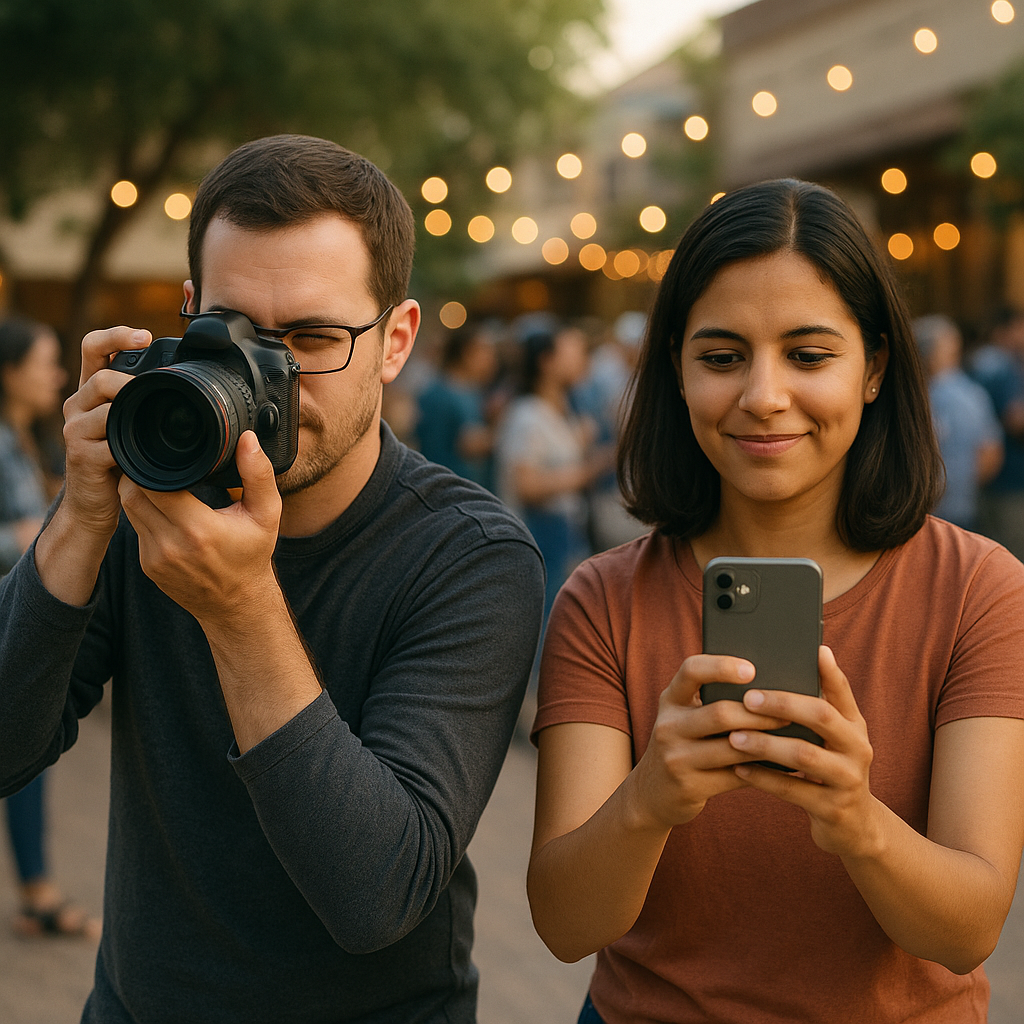
In an era when the latest iPhones produce stunning images instantly, many people wonder if investing in a dedicated camera still makes sense. As someone who’s worked extensively with both smartphones and traditional cameras, I want to help you figure out when a dedicated camera is worth it—and when your smartphone might actually be the smarter tool.

What Makes a “Real” Camera Different?

The biggest difference between phones and dedicated cameras is sensor size. Think of a sensor like a solar panel: the bigger it is, the more light it captures.

While the iPhone 16 Pro’s sensor is about 0.4 x 0.3 inches (roughly the size of a pinky nail), full-frame cameras from companies like Sony, Canon, and Nikon use sensors around 1.4 x 0.9 inches. That size difference can have a dramatic impact on image quality.

Bokeh: Real vs. Artificial Blur

One of the most visible differences is in how background blur—or “bokeh” (bo-keh)—is created.

Phones simulate this effect using AI in Portrait mode, while dedicated cameras achieve it optically through wide-aperture lenses. The difference can be subtle but important: artificial bokeh often struggles with hair or complex shapes, creating unnatural edges or blurring the outer part of the hair.

Where Phones Win: Computational Photography

In many everyday situations, your phone might actually outperform a “real” camera—thanks to computational photography.

Modern phones use features like HDR (High Dynamic Range) and Night Mode to merge multiple exposures and enhance detail and color instantly. While powerful, this computational approach can also make images look overly sharp or unnatural. The classic aesthetic of a traditional photo can get lost in the process.

The computational nature of phones can also be a negative. The images are criticized for being too sharp, and illuminating everything with HDR can look unnatural. While you can gain detail with computational photography, you can lose the classic look of a “real” photo.

Workflows

Traditional cameras do require more complex workflows. When you take a photo with an iPhone, it goes into the Photos app automatically. On a big camera, you need to transfer the photos to your computer or phone, and you will typically want to do some editing of the photos. This takes significantly more time and effort than simply shooting and sharing with a phone.

When a Dedicated Camera Makes Sense

You should consider a dedicated camera if you:

  • You want manual control over focus, exposure, and lenses.
  • You shoot often in low light and dislike the “Night Mode” look.
  • You prefer the natural bokeh from optics over AI-generated blur.
  • You enjoy photography as a craft or professional pursuit.
  • You have time for editing and managing photos.

In-Between Option

Some cameras use an APS-C sensor—an in-between size that offers many of the benefits of full-frame without the bulk. Most Fujifilm models use this format. The Ricoh GRIII and GRIIIx are compact APS-C cameras ideal for street photography or situations where a larger camera feels intrusive.

So… Should You Buy One?

It depends on your goals.

If you primarily shoot for social media, your phone is a top-tier imaging device that fits in your pocket. But if you’re passionate about photography, want to grow your skills, or need capabilities phones can’t yet match, a dedicated camera can be a rewarding upgrade.

Test the Waters First

Before committing to a new camera system:

  1. Borrow or rent a camera for a weekend trip.
  2. Take a basic photo class to learn how manual shooting feels.
  3. Review your current photos—do you see limitations a new camera would fix?

Ultimately, the best camera is the one you’ll actually use.

Stolen Device Protection

Highly recommended: All iPhone users should turn on Stolen Device Protection. This will help against someone “shoulder surfing“ you and then stealing your phone and taking all your money.

As explained by Apple, you can turn on Stolen Device Protection in Settings:

  1. Go to Settings, then tap Face ID & Passcode.
  2. Enter your device passcode.
  3. Tap to turn Stolen Device Protection on or off. 

Virginians, Install the COVIDWISE App

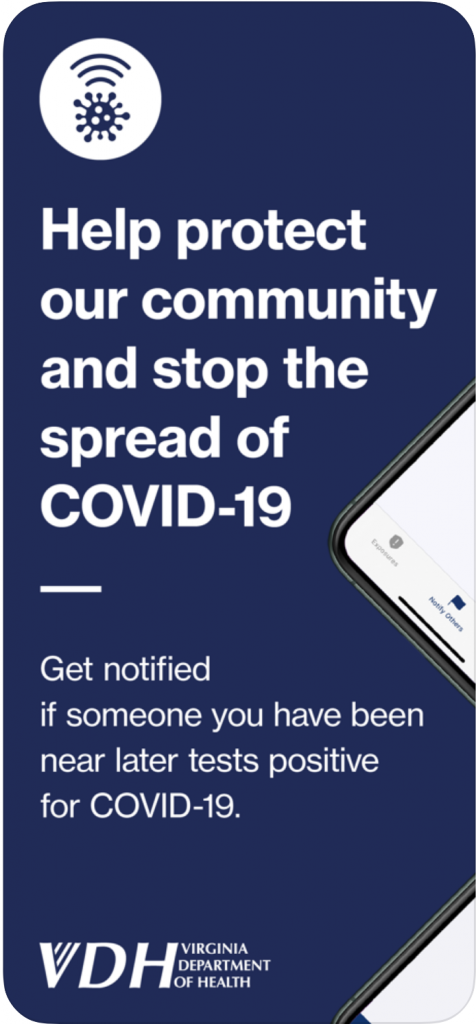
Built with privacy potection in mind, and using technology developed by Apple and Google, the COVIDWISE app will alert you if you have encountered someone who later reported testing positive for Coronavirus. If lots of people use this or other interoperable apps from other states, it will enable easy contract tracing and allow people to more quickly quarantine, thus slowing the spread.

From the Washington Post:

The app will work outside of Virginia, but only users verified by the Virginia health department will be able to input a Covid-positive status. Per the Virginia Department of Health website, “There have been discussions regarding a federal database for positive diagnosis verification which would greatly simplify interoperability of exposure notification apps between states. It is not currently certain when this will be available.”

UPDATE: If you do every get a positive COVID test result, be sure to ask for the 6 digit pin so that you can enter your positive result into the COVIDWISE app. You need that to alert others of your result. Sadly, this isn’t given to you by default. That fact, and the lack of universal usage of the app, have limited its usefulness thus far.

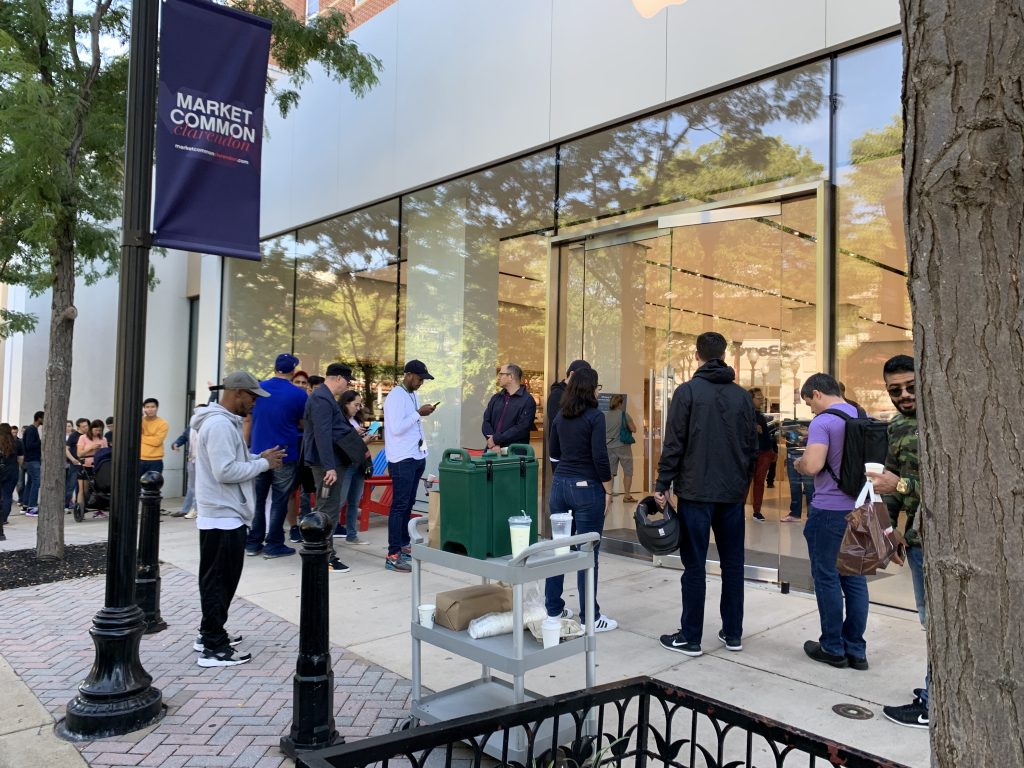
iPhone 11 day

It’s Christmas Day for iPhone fans.

Should you upgrade? To me and for most people, it depends on the camera. If getting the best quality pictures matters a lot to you, then yes. Otherwise, you could be on a 6S from 2015 and still get the latest iOS 13 features.

Apple Store Clarendon in Arlington, VA
Scroll to Top